
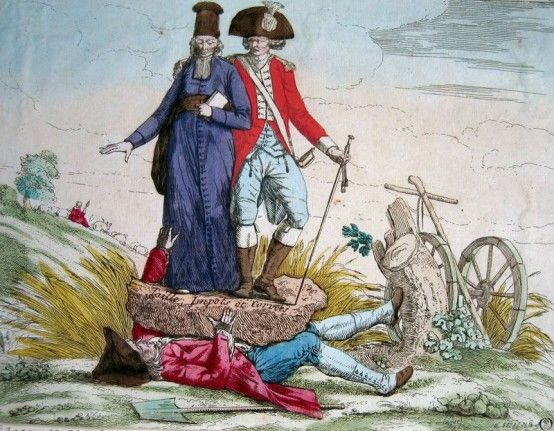
France in Revolution 1774-1814
What were the underlying causes and immediate triggers of the 1789 Revolution?
The French Revolution represents one of the truly great turning points of human history. To this day it remains a source of fascination, debate and inspiration to those who wish to see a more equal, just and fair society. Yet why did it happen?
One could argue the revolution was a direct consequence of a bloated and corrupt ruling elite who had taken their lofty status for granted for too long. Political and cultural ideas witnessed a great shift around this time during an era known as ‘the Enlightenment’ which kicked back against traditional notions of absolutist and religious rule. Perhaps the revolution’s being can be explained by a tired and bankrupt French state not having the means to govern effectively which coincided with poor harvests to create the perfect storm of discontent ….
There are a number of potential ’causes’ which could be said to have contributed to the popular rebellion against absolutist rule and unfair privilege. And the story has some way to go in terms of us investigating how various sought to interpret and enforce their own values and ideals of what a revolution should be … but lets investigate firstly what the situation was like in France in the 1780s – conditions which meant France was ripe for revolution. Watch the videos below and identify where possible:
- Long term causes of the Revolution
- Medium-term causes of the Revolution
- try and break down into political, social and economic where possible!
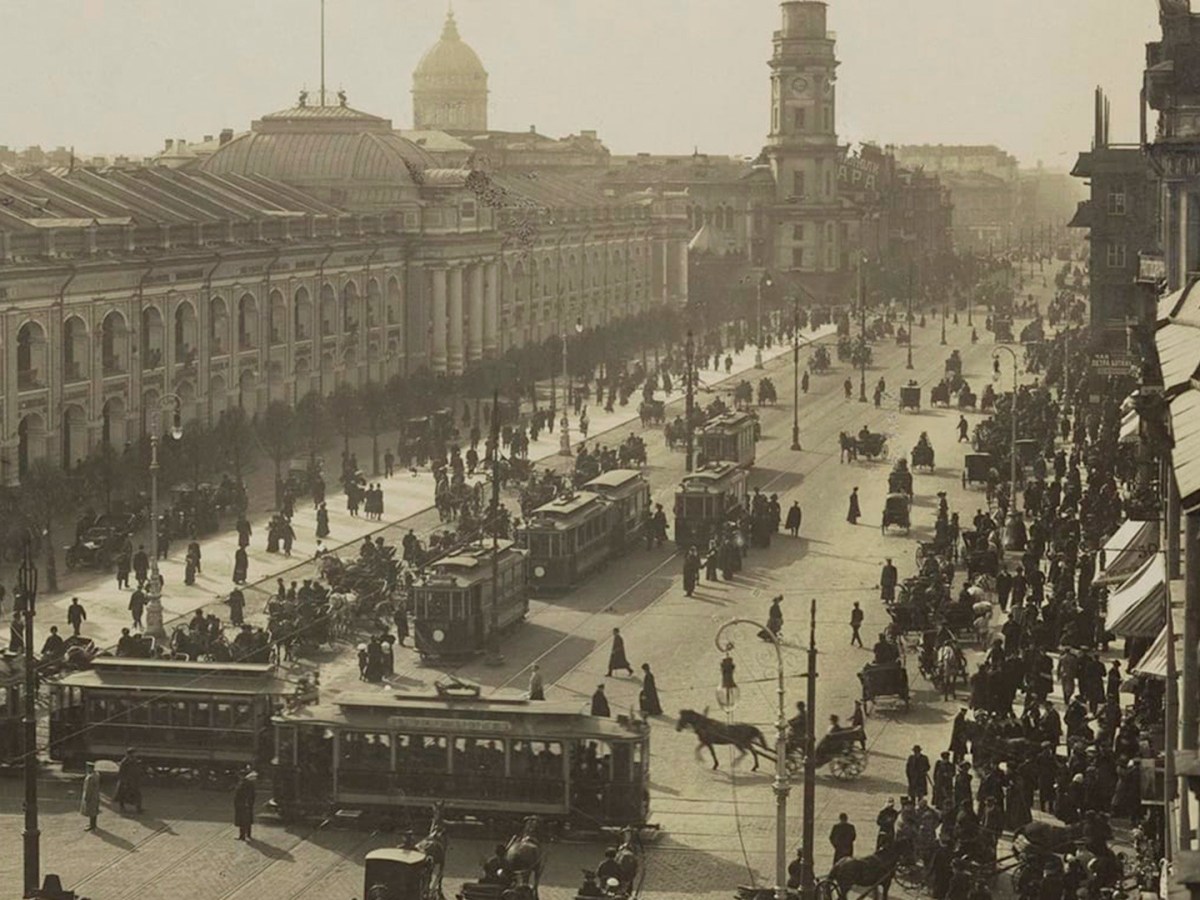
Sailing against the tide: Tsardom and Russian Society c.1900
Russia – described by Churchill as ‘a riddle wrapped in a mystery inside an enigma’ by British political Winston Churchill in 1939 – was as juxtaposed, inscrutable and confusing a political and social entity in 1900 as it has been to many observers from the outside world before and after. Russia at the dawn of…
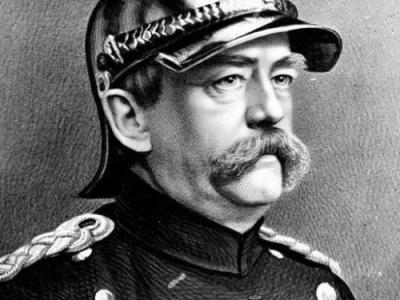
Enter Bismarck, arise Prussia: The Road to German Unity 1862-66
Despite the failure of the ‘experiment’ of 1848-49 and the repressive and reactionary climate which followed, it can be argued that in the long term the seeds of Liberalism (and as it is Germany of the mid-19th Century, Nationalism by association) had been firmly planted to blossom at a later date. And whilst Prussia -…
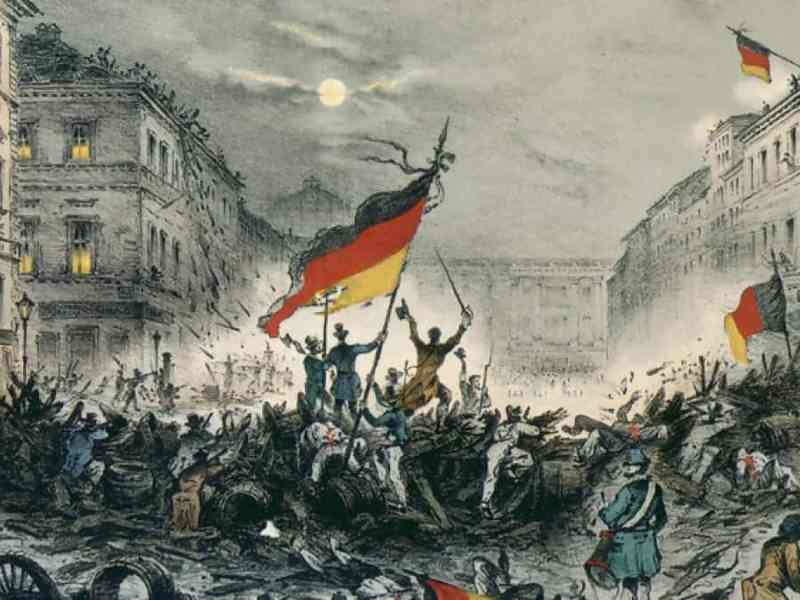
The German ‘Revolution’ of 1848
The ‘old order’ of post-Vienna Europe – that of absolute rulers and their reactionary plutocrats enforcing their rule on a subjugated population – seemed on the brink in the year of 1848. From Sicily in the south through the heart of Central Europe, voices for constitutional reform and national re-awakenings grew in tandem to generate…
Can’t find what you’re looking for? Use the search form to search the site.
Get new content delivered directly to your inbox.
 Mr Wilson's History resources & musings