
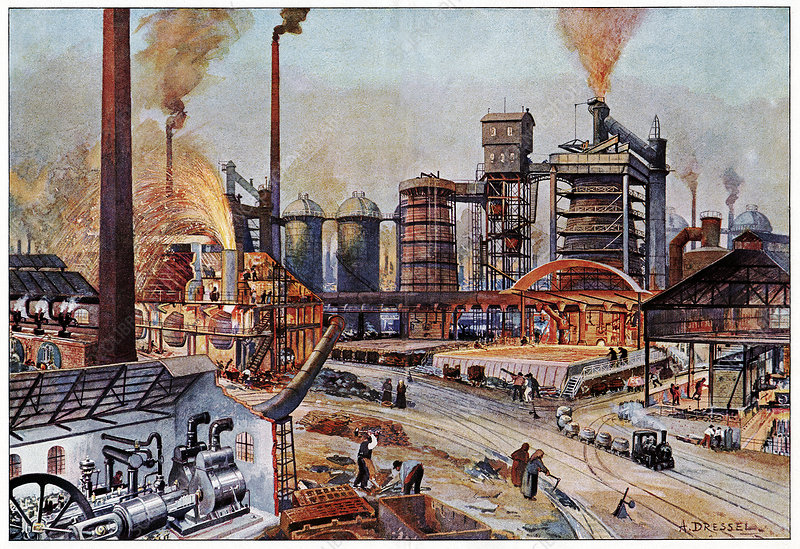
19th Century ironworks. Historical artwork of an ironworks in Germany. From Weltall und Menscheit (Universe and Humanity), by Hans Kraemer (ca. 1880). 
Whilst the Germany we all know – and mostly likely admire – in a contemporary context is an image of effortless efficiency and pursuit of excellence in all aspects of their economic and social structure, it was by no means a seamless process by which it reached the status of Europe’s economic and political powerhouse it assumes in the present day.
As we have already covered in detail during GCSE, 20th German history was a literal rollercoaster of peaks, troughs and everything in between and the very concept of feeling ‘German’ itself was inhibited by defeats in both World Wars and the stigma and shame of being associated with the horrors of the Third Reich’s callous indifference to common humanity. Whether by punishment or design Germany was harshly ripped asunder by virtue of being the ‘front line’ of the Cold War for the second half of the 20th Century, with the Iron Curtain plunging a cold and divisive stake through the heart of German national identity and society which even today has a definite demarcation effect on the old ‘East’ and ‘West’ sides.
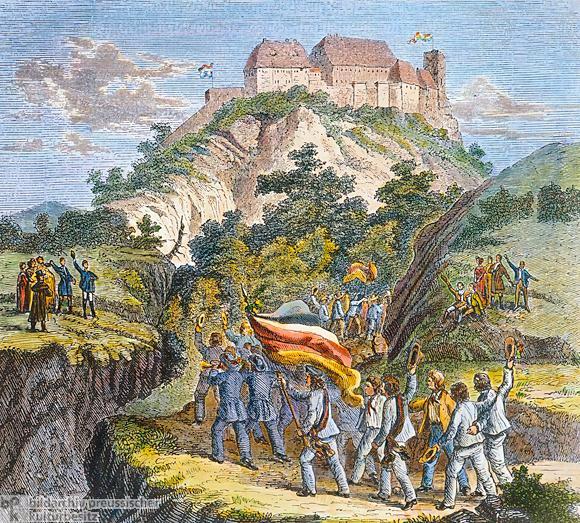
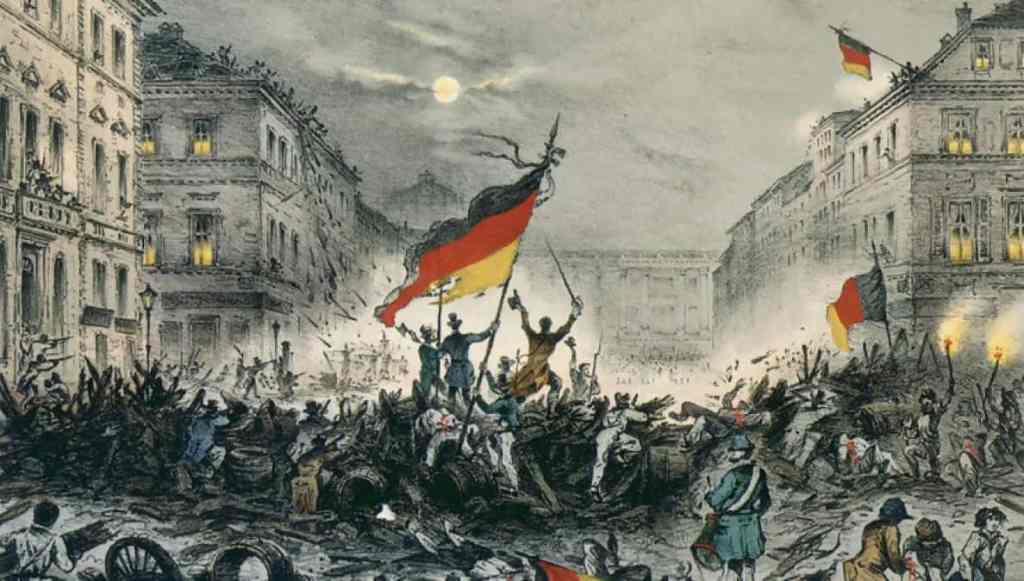
Yet for all that 20th Century German History is as fascinating and rich in its content and contextual relevance for historians, the story doesn’t merely begin and end there. To understand the underlying factors and forces which mould, shape, inspire and undermine German society to this day one must delve deeper into the preceding century and the emergence of German nationhood for the first time. In a century of European history enveloped in revolutionary fervour, great power posturing, industrial and scientific progress and competing ideologies in how best to forge the nations of tomorrow, the German story of unification – of the 19th Century variety – encompasses the state of flux between tradition and modernity, liberal and radical ideologies and the growth of muscular nationalism over faith in the absolutist system of ‘Old Europe’ perfectly within its narrative.
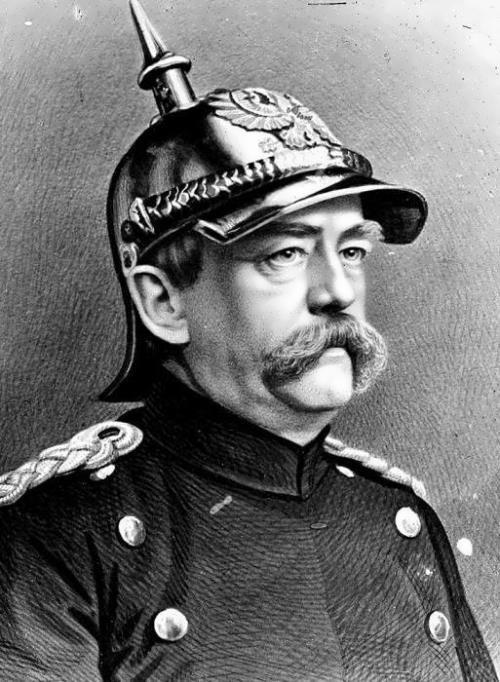
And no period of historical study so rich in depth, analysis and contextual relevance would be complete without an iconic figurehead driving the process of change and progress; for many Bismarck assumes a lofty position in the pantheon of great statesmen and leaders who have shaped our civilisation’s story and his combination of ruthless political cunning, military force and skilled diplomacy – realpolitik – in achieving his goals is something which has great relevance to this day when analysing the attitudes and aspirations of present day rulers.
Links to all posts and associated media related to these units are listed below
Germany in revolution: 1848-49
Enter Bismarck, arise Prussia: The Road to German Unity 1862-66
 Mr Wilson's History resources & musings